
Insights and recommendations from a benchmarking study of developing talent for progressive social change
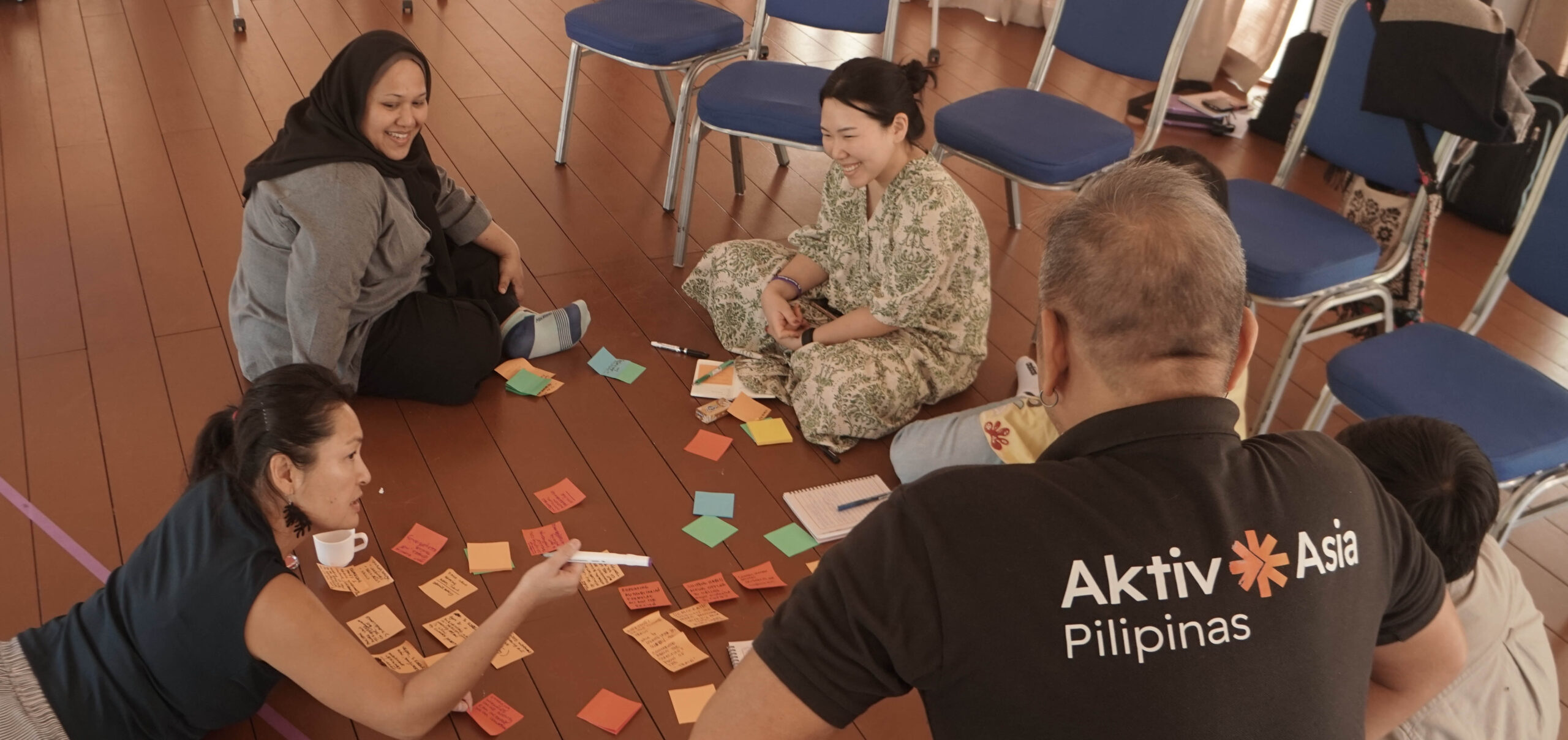
Photo: AktivAsia provides practical training, fellowships and regional collaboration supporting activists across Asia to develop the strategy, organising tools and leadership needed to drive climate action in their communities. Photo credit: Action Lab/AktivAsia
Our new report Building Power, created in collaboration with Mobilisation Lab, proposes that civil society’s talent crisis is not accidental, it’s structural. Short grant cycles, issue silos, weak shared infrastructure, missing mid-career pathways and a funding culture that rewards delivery over development.
The result is devastatingly simple. We are losing people faster than we can develop them, and we are trying to meet a period of democratic erosion, climate breakdown, backlashes on rights and rising authoritarianism with a talent model built for burnout rather than building power.
Across movements for climate, democracy, labour, gender justice and human rights, organisations are being asked to do more with less while facing burnout, churn and shrinking civic space.
This is not a moment for surface-level fixes or single-issue thinking. It demands we build differently, with deeper roots, longer horizons and a genuine commitment to the people at the centre of change.
Unfortunately talent development in our sector is often treated as overhead. Historically, only around one percent of philanthropic grants have been designated for talent development. Most of what gets funded is tied to projects, which means it disappears when the project ends.
Through our benchmarking survey of 119 civil society organisations, interviews with practitioners and a review of more than 130 talent development initiatives, one pattern came through clearly: extraordinary work already exists, but it remains fragmented, underfunded and disconnected.
Progressive civil society has extraordinary raw material. Movements with genuine popular energy, causes with deep moral force, and a generation across the Global Majority (and increasingly in the West) refusing to accept a broken future. What is often missing is the architecture to develop that energy into durable leadership over time. Open-access entry points that channel people in. Clear pathways from first engagement to sustained responsibility. Cross-organisational coordination that hands people on rather than losing them between silos. And the long-term investment horizon that treats talent development not as a project, but as infrastructure.
Our report Building Power shares insights and recommendations for developing a talent ecosystem for progressive social change and a framework for action. We hope it starts conversations that become strategies, and strategies that build power now and for the future.